

Ask a Londoner what a taxi is and they will point at a black cab. Ask someone in Bangkok and they may mean a tuk-tuk. In Kampala it might be a motorcycle. In Manila a jeepney looks nothing like either — yet it still sells seats for hire. The passenger’s idea is simple: pay someone to take you somewhere now. The law, the vehicle and the culture around that idea change almost everywhere you look.
This feature asks what counts as a taxi around the world, how that service evolved, and what the next generation of for-hire rides is likely to look like.
What “taxi” actually means
The English word is younger than the trade. Britannica traces taxicab to Wilhelm Bruhn’s taximeter (1891) — an instrument that priced a hire by distance and/or time — plus cab, from the light horse-drawn cabriolet. So “taxi” originally meant a metered hire vehicle, not a particular body shape.
In England today the legal split is sharper than everyday speech. Department for Transport guidance treats taxis (hackney carriages) as vehicles that can be hired immediately in the street or at a rank, while private hire vehicles must be pre-booked through a licensed operator and cannot ply for hire. Passengers still call both “taxis”. Drivers and licensing officers do not.
That tension — popular word versus regulated category — is the global pattern. If a vehicle is available with a driver for hire to carry passengers, many cities will treat it as taxi-like even when the local statute uses another name.
Four wheels and the classic cab
The four-door saloon or purpose-built cab is still the global stereotype, and for good reason. Britannica notes that early motor taxis were often electric in the late 1890s, before petrol taximeter cabs took over from about 1907. Cities then specialised: London’s purpose-built hackney carriage rules; New York’s yellow painted fleet; Tokyo’s uniform black taxis; continental cities with saloons wearing roof lights and city colours.
What they share is not the paint. It is exclusive hire of a small passenger vehicle with a driver, usually under a local licensing regime that covers vehicle standards, driver vetting and how the fare is set — by meter, zone or negotiated rate.
Two wheels, three wheels and muscle power
Plenty of the world’s for-hire work never looked like a car. In many cities the everyday “taxi” has two wheels, three wheels, or a human between the shafts.
Pulled rickshaws — human-drawn two-wheel carts — spread from Japan in the late nineteenth century; English borrowed the word from Japanese jinrikisha (“person-power vehicle”). They were cheap urban hire before motors were common. Most cities later banned or tourism-fossilised the pulled form on labour and safety grounds, but the lineage did not die. It shed the runner and grew engines.
Cycle rickshaws and pedicabs replaced muscle with pedals. They still work tourist loops from London to New York — novelty hire in rich cities — and everyday short hops across South and East Asia, where a pedicab can still be ordinary last-mile transport rather than a selfie prop.
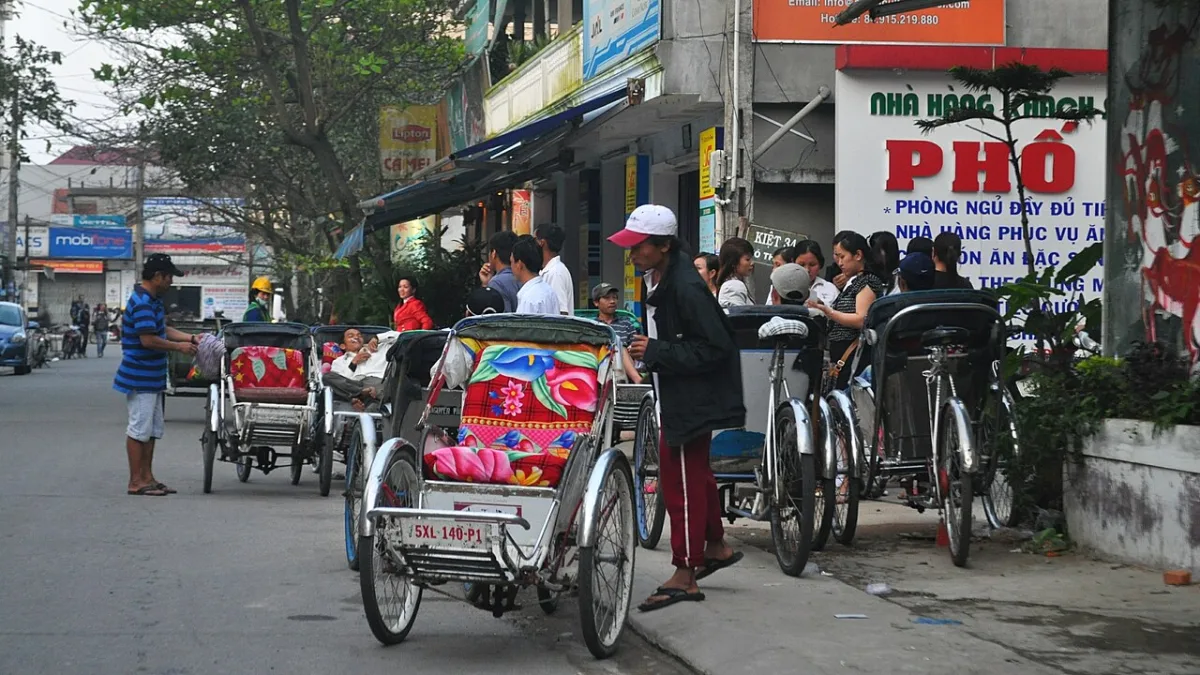
Then came the machines that, for hundreds of millions of people, are the taxi: auto rickshaws, better known in much of Southeast Asia as tuk-tuks.
Tuk-tuks are typically open or semi-open three-wheelers with a small engine (often two-stroke historically, now often LPG, CNG or electric), a driver up front and a bench or pair of seats behind. The Thai name is onomatopoeic — tuk-tuk for the chatter of the engine — and it stuck internationally. In Bangkok they weave through congestion that swallows saloon cabs; fares are often negotiated rather than metered, which is part of the folklore and part of the friction. Older Thai usage also called them samlor (“three-wheeler”), a reminder that the vehicle type predates the catchy brand name.
The engineering roots are wider than Thailand. Japanese motorcycle-based three-wheelers of the 1930s — often traced to vehicles such as the Mazda-Go — helped seed the form. After the war, designs spread and localised. India built a vast auto-rickshaw industry; Bajaj and others turned the three-wheeler into a mass export as well as a domestic workhorse. In Indian cities the street word is usually auto, not tuk-tuk, but the job is the same: cheap, narrow, hire-with-driver transport for one to three passengers. Sri Lanka, Pakistan, Bangladesh, Nepal and much of Southeast Asia run close cousins under local names. In parts of Latin America similar machines appear as mototaxis. Italy’s Piaggio Ape has long done a three-wheel hire-and-haul job in alleys and on islands where cars are banned or pointless.
Why did tuk-tuks and autos win so much of the world’s taxi work? Density and money. They cost less to buy and run than a four-door cab, slip through traffic, and need less parking. For owner-drivers they are a livelihood machine. For cities they are also a headache — noise, emissions, contested ranks, informal pricing — which is why licensing regimes range from tightly plated fleets to grey-market swarms.
That story is now turning electric. India has become a major three-wheeler maker and is pushing e-autos and e-rickshaws for last-mile and city hire, with policy and industry guides from groups such as WRI India spelling out the barriers: upfront cost, charging, permits and finance. Thailand has piloted and subsidised conversions from LPG tuk-tuks toward electric models, and operators such as those backed in Asian Development Bank project notes have put e-tuktuk fleets onto Bangkok streets under Department of Land Transport rules. The silhouette stays familiar. The powertrain is what cities are trying to change.
Motorcycle taxis fill another gap entirely. East Africa’s boda-boda (from “border to border” border-town trade) began as bicycle taxis and became motorbike hire across Uganda, Kenya and beyond — often the fastest door-to-door option in jammed cities. The Philippines’ habal-habal does parallel work where roads are rough or formal buses thin out. Two wheels, one passenger (or more than the law prefers), cash fare, high risk, high usefulness.
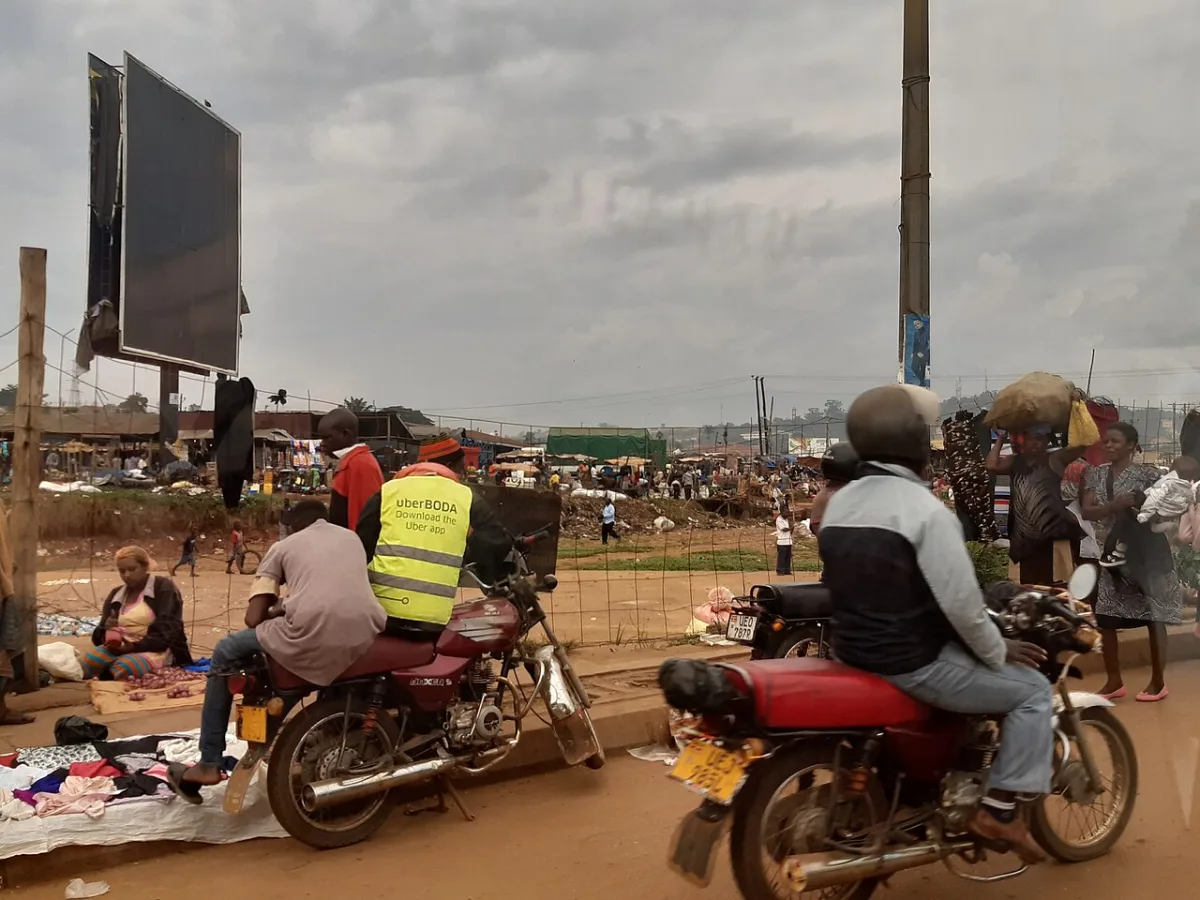
So are tuk-tuks taxis? Functionally, yes: a driver, a vehicle, a hire, a trip. Legally, sometimes. Many cities put them in a special three-wheeler class rather than the same statute as metered saloon taxis; others leave large fleets semi-formal. Passengers rarely care about the taxonomy until insurance, meters or safety standards fail. For a London driver used to seats, meters and door marks, the tuk-tuk is a reminder that most of the planet’s for-hire rides were never designed around the black cab template.
Shared rides that blur the line
Some famous “taxi” relatives are really shared public transport on flexible or semi-fixed routes:
- Jeepneys in the Philippines — rebuilt US jeeps turned into colourful shared minibuses
- Turkey’s dolmuş and similar shared taxis across the Middle East and Latin America (colectivos, peseros)
- East African matatus and other informal minibuses
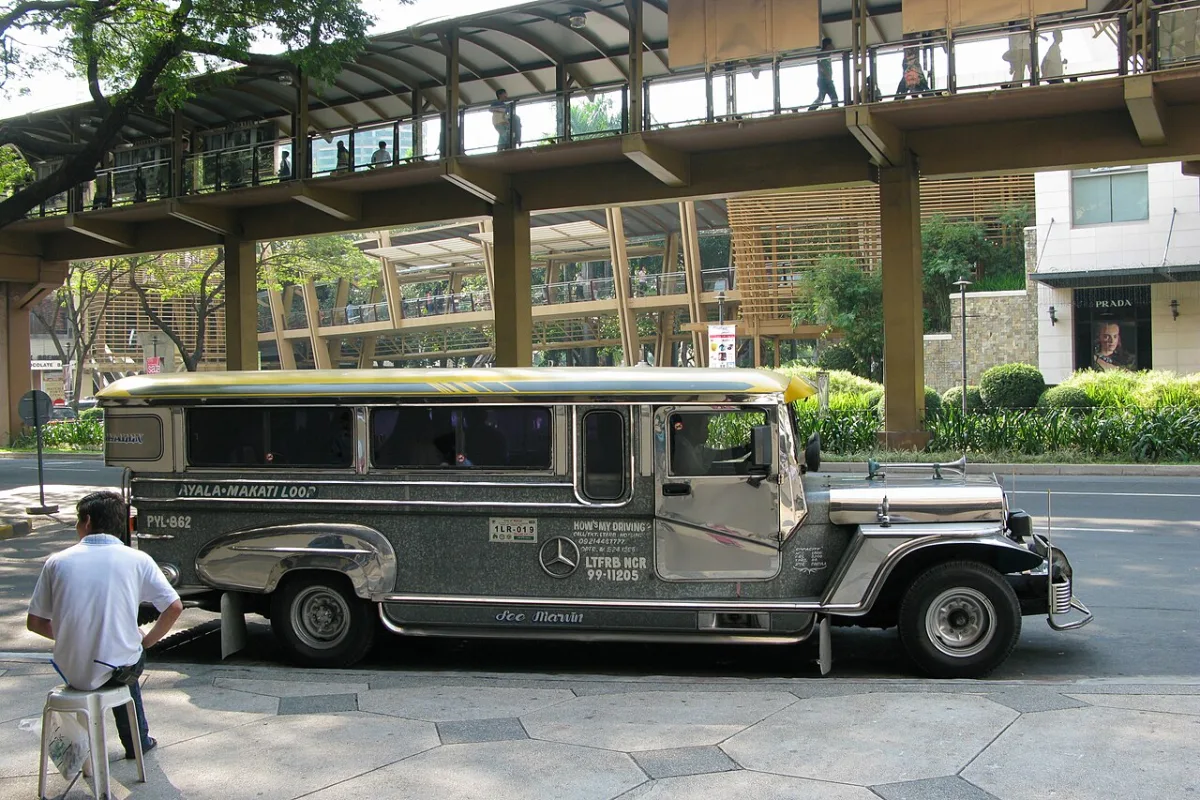
They sell seats, not usually the whole vehicle. That puts them closer to buses than to a London cab’s exclusive hire — yet they occupy the same psychological niche: flag something down, pay, move. Regulators increasingly lump all of this under paratransit or for-hire passenger transport, because the policy problems (safety, congestion, labour, tax) overlap.
Water taxis, gondolas for hire and airport landside shuttles show the same spectrum on water and at terminals: the business model is hire-with-driver; the hull or chassis is whatever the city allows.
How the service evolved
A compressed global arc looks like this:
1. Horse hire — London and Paris hackney coaches from the early 1600s; ranks, licences and fitness rules follow
2. Lighter cabs — Hansom-style two-wheelers speed up city hire in the nineteenth century
3. Meters and motors — Bruhn’s taximeter plus electric then petrol cabs create the modern “taxi” brand (Britannica; TaxiFeed’s meter feature covers the British side in depth: From fare books to phone apps)
4. Asian three-wheelers and cycle hire — rickshaw → cycle → auto/tuk-tuk as dense cities need cheap, narrow vehicles
5. Radio and then apps — dispatch moves from street intuition to control rooms to smartphones
6. Platform ride-sourcing — Uber, Bolt, Grab and Gojek collapse booking, payment and rating into one screen, often outside old taxi statutes
The International Transport Forum (OECD) has argued for years that app-based commercial transport exposed how outdated many taxi rules were — while still needing oversight for safety, consumer protection, tax and congestion. Technology did not abolish the taxi. It multiplied the ways to summon one — including booking a tuk-tuk through the same phone that books a saloon.
What the future holds
Three overlapping futures are already visible.
Electrification and cleaner three-wheelers. Battery rickshaws, e-autos and e-tuktuks are spreading where fuel costs, air-quality rules or subsidy programmes push fleets off petrol, diesel and LPG — a pressure UK drivers already feel on the pump (Diesel at £2). In much of Asia the three-wheeler may electrify faster than the four-door taxi fleet, because the vehicles are smaller and politically easier to mandate.
Platform convergence. Street-hail taxis increasingly carry the same booking apps as private hire. Tuk-tuk fleets are on those platforms too. The legal categories may stay dual or triple; the passenger journey looks single.
Automation. ITF’s 2023 work on automated vehicles stresses that robotaxis will not simply “arrive” — they need permits, safety cases, data rules and clarity about who is liable when there is no driver. Planning analyses such as the Victoria Transport Policy Institute’s AV implementation review suggest shared autonomous taxis may become common in limited conditions in the 2030s, while full all-weather, everywhere autonomy remains harder and later than early hype claimed. Open three-wheelers on chaotic mixed traffic are a harder autonomy problem than a geofenced robotaxi in a mapped US suburb — which is one reason human tuk-tuk and boda drivers are not obsolete tomorrow morning.
The sober forecast for working drivers: more competition from platforms and, eventually, driverless fleets in some cities; continued demand for human-driven hire where accessibility, complex streets, tourism, cash economies or thin data networks favour a person at the controls — including tuk-tuks, bodas and pedicabs.
Why it matters to the trade
For TaxiFeed readers the lesson is not that “everything is a taxi”. It is that taxi is a service, not a silhouette. Cars dominate rich-world ranks. Tuk-tuks, autos and bikes dominate many dense or lower-income cities. Apps changed the front door. Meters, licences and insurance still decide who is legal.
When politicians talk about “the taxi trade”, ask which trade they mean: street-hail, pre-book, motorcycle hire, tourist pedicab, tuk-tuk swarm, or the app fleet that never touches a rank. The future will keep inventing new bodies. The old question stays the same — who may offer a ride for hire, on what terms, and who answers when something goes wrong.